
Building a Meal Plan for Weight Loss
Committing to weight loss can feel overwhelming with all the diets, exercise programs, and advice out there. But simplifying the process is key to long-term success. The MindBody Activated Lifestyle focuses on a comprehensive system that blends nutrition, movement, and mindfulness to support sustainable weight loss. Let’s explore how to create a meal plan that works for your life and goals.
The Healthy Plate Method: A Simple Framework
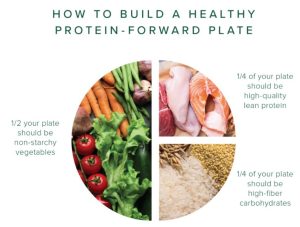
Balanced meals are essential for weight loss, and the healthy plate method provides a straightforward approach:
- Half your plate should be non-starchy vegetables like leafy greens, broccoli, or peppers. These are low in calories but rich in fiber and nutrients.
- One-quarter of your plate should include lean protein such as chicken, fish, or plant-based options like tofu. Protein helps preserve muscle, fuels your metabolism, and keeps you satisfied.
- One-quarter of your plate should be high-fiber carbohydrates, such as quinoa, brown rice, or fruit. These provide energy and help stabilize blood sugar.
- Add healthy fats like olive oil, nuts, or avocado for satiety and essential nutrient absorption.
This visual guide keeps meal planning simple and balanced.
Mastering Macronutrients for Weight Loss
A balanced diet isn’t just about food groups; the ratio of protein, carbs, and fats—or macronutrients (macros)—is key. Here’s how to determine your ideal macro breakdown:
- Calculate Your Calorie Needs
Use an online calorie calculator to estimate how many calories you need daily based on your age, weight, and activity level. Adjust this number as needed as you progress in your journey. Here is one example of a calorie calculator: Mayo Clinic Calorie Calculator - Set Your Macro Ratio
A common guideline is 30% protein, 40% carbs, and 30% fats. For example, if you’re aiming for 1,700 calories daily:- Protein: 127.5g
- Carbs: 170g
- Fats: 56.7g
Tracking macros can help ensure your meals align with your goals while keeping your body fueled and satisfied.
The Role of Protein
Protein plays a huge role in your diet, especially when combined with the MB GLP-1 System.† High-protein diets have been shown to boost metabolism, reduce appetite, and alter several weight-regulating hormones.
- Muscle Maintenance: When losing weight, it’s important to preserve lean muscle mass. Protein helps repair and build muscle tissue, keeping your metabolism active.
- Satiety: Protein helps you feel fuller than fats or carbohydrates. Including it in every meal helps keep you full, reducing the likelihood of overeating.
Protein is the most important macronutrient for health and weight management. Make protein a regular part of every meal and snack to support your body’s natural processes.
Meal Planning Made Easy
Effective meal planning is the foundation of any successful weight loss strategy. Here’s a practical approach:
- Pick a Protein
Start with lean options like grilled chicken, baked salmon, or tempeh. A serving is typically about the size of your palm. - Add Fiber-Rich Carbs
Include whole grains or legumes like brown rice or chickpeas to keep energy levels stable and hunger at bay. - Fill Your Plate with Veggies
Add non-starchy vegetables for volume, vitamins, and minerals. - Incorporate Healthy Fats
Round out your meal with a small portion of olive oil, nuts, or avocado.
Batch-cooking proteins and grains on a designated day each week can save time and help you stick to your plan.
Navigating Dining Out
Eating out doesn’t have to derail your progress. Here are some tips:
- Opt for grilled or baked proteins with vegetable sides.
- Skip heavy sauces or fried items and ask for dressings on the side.
- Share large portions or save half for later.
A Sample 3-Day Plan
Here’s a quick meal plan to get you started:
Day 1
- Breakfast: Greek yogurt with chia seeds and berries.
- Lunch: Chicken salad with mixed greens and avocado.
- Dinner: Grilled salmon, roasted sweet potatoes, and steamed broccoli.
- Snack: Hard-boiled egg and an apple.
Day 2
- Breakfast: Scrambled eggs with spinach and whole-grain toast.
- Lunch: Turkey wrap with whole-grain tortilla and veggies.
- Dinner: Stir-fried tofu, brown rice, and snap peas.
- Snack: Low-sugar protein bar.
Day 3
- Breakfast: Protein smoothie with spinach, banana, and almond butter.
- Lunch: Lentil soup with a side of whole-grain crackers.
- Dinner: Grilled shrimp, quinoa, and roasted zucchini.
- Snack: Cottage cheese and sliced peaches.
Staying Consistent
Consistency is the secret to success. By planning meals, balancing macros, and incorporating variety, you’ll create habits that lead to lasting results. With preparation and mindfulness, weight loss can become a manageable and rewarding part of your lifestyle